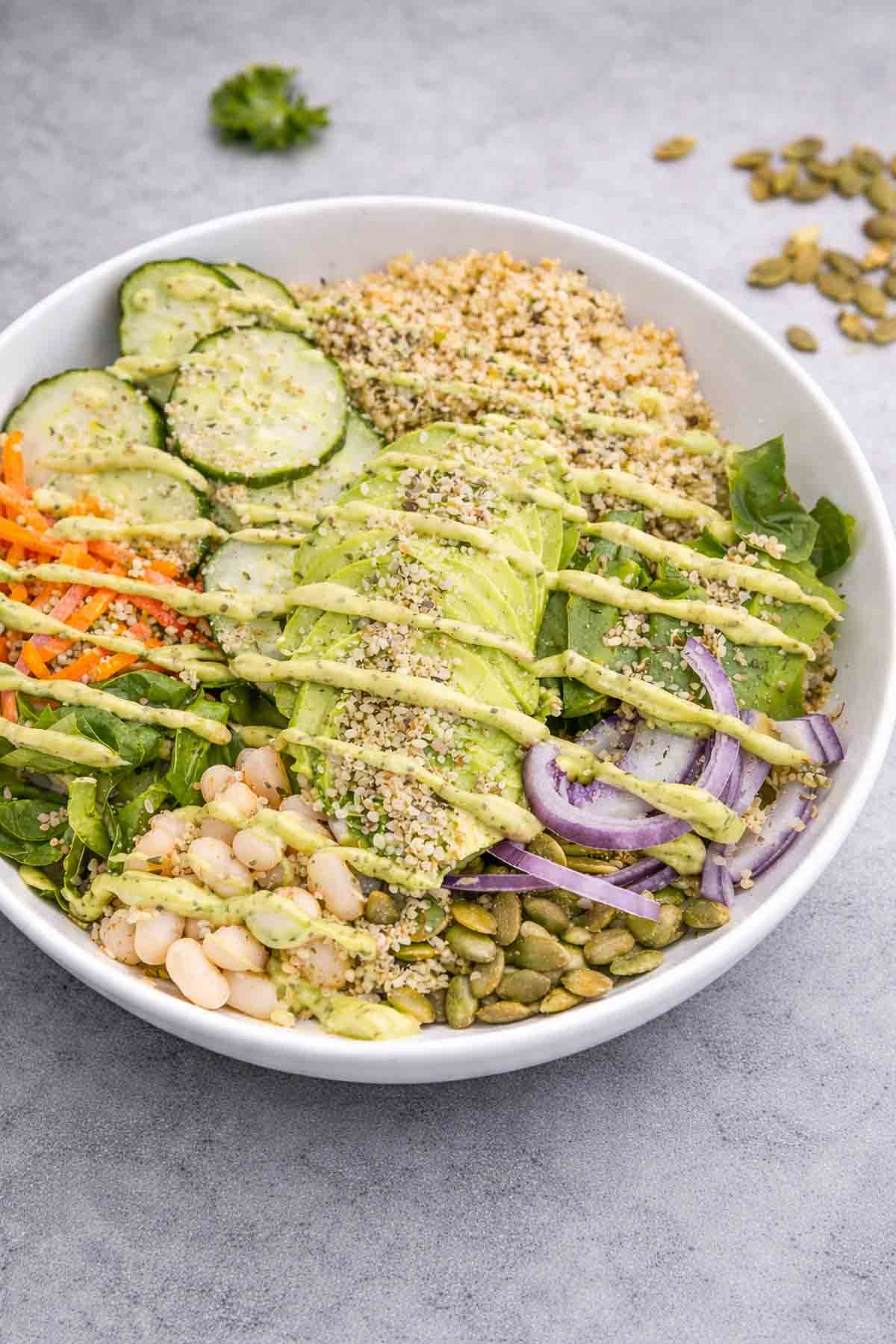
High-Protein Veggie Bowl
These high-protein veggie bowls are one of my absolute favorite meals for any time of day—even breakfast! Packed with wholesome ingredients like grains, beans, fresh vegetables, and healthy fats, they’re hearty, satisfying, and full of flavor. If you’re looking for an easy, nourishing plant-based meal that actually keeps you full, this veggie bowl is one you’ll come back to again and again.
Want to Save This Recipe?
Enter your email & I’ll send it to your inbox. Plus, get great new recipes from me every week!
By submitting this form, you consent to receive emails from EatPlant-Based
Believe it or not, one of my favorite times to enjoy a veggie bowl is for breakfast! I’m usually not hungry right when I wake up, so I tend to eat a later breakfast—and these bowls are perfect for that. They’re so hearty and satisfying that once I have one, I’m often not even thinking about food again until dinner. It’s such an easy way to start the day feeling nourished and fueled.
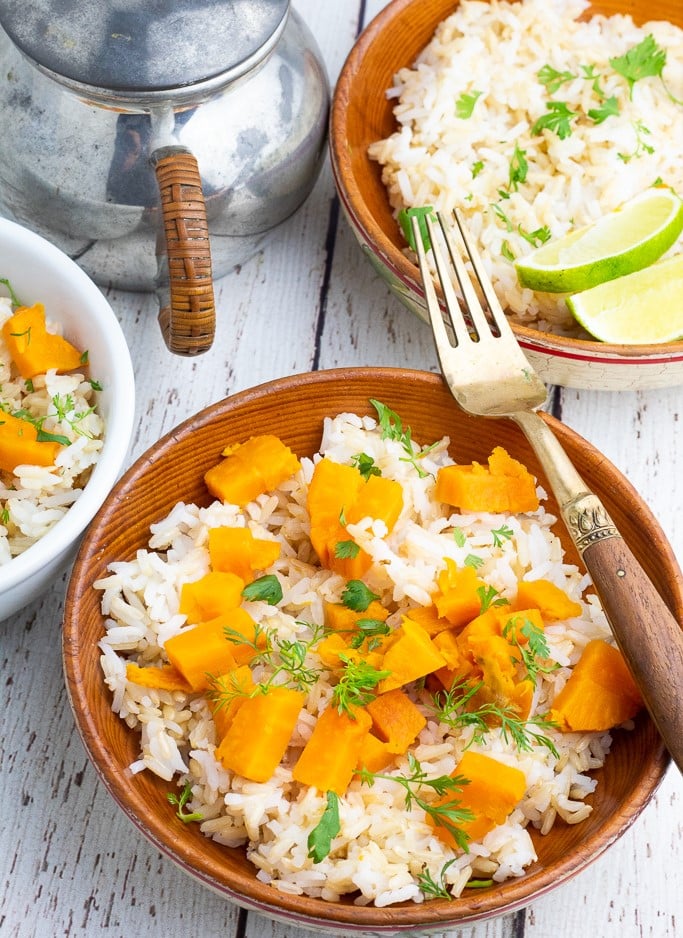
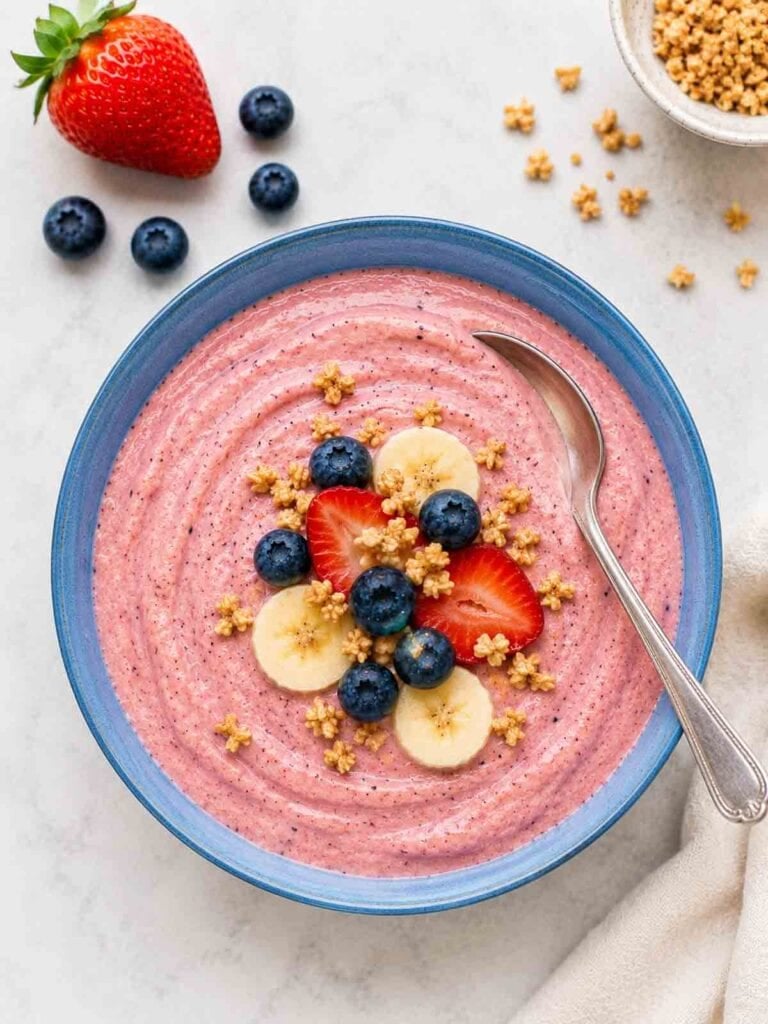
Some of my go-to veggie bowls are these veggie poke bowls and this simple sweet potato brown rice bowl.
What Is a High-Protein Veggie Bowl?
A high-protein veggie bowl is one of my favorite ways to build a simple, nourishing meal all in one dish. It’s typically made up of a hearty base like whole grains, paired with plant-based proteins such as beans, lentils, or tofu, and then loaded up with fresh vegetables, toppings, and a flavorful dressing.
What I love most about these bowls is how satisfying they are. With the combination of protein and plant fiber, they really stick with you and keep you full for hours. Honestly, I enjoy them for just about any meal of the day—even breakfast! I often throw together some version of a veggie bowl in the morning because it’s so filling and energizing.
Another reason I come back to these bowls again and again is that you can get so much goodness in one place. You’re covering all the bases with whole grains, vegetables, legumes, and even fruit if you want to add a little natural sweetness. Some of my favorite grain options include quinoa, brown rice, farro, barley, or even millet—whatever I have on hand works just fine. I discuss more details about these grain options below. You can mix and match ingredients endlessly, so it never gets boring.
Ingredients for This Veggie Quinoa Bowl
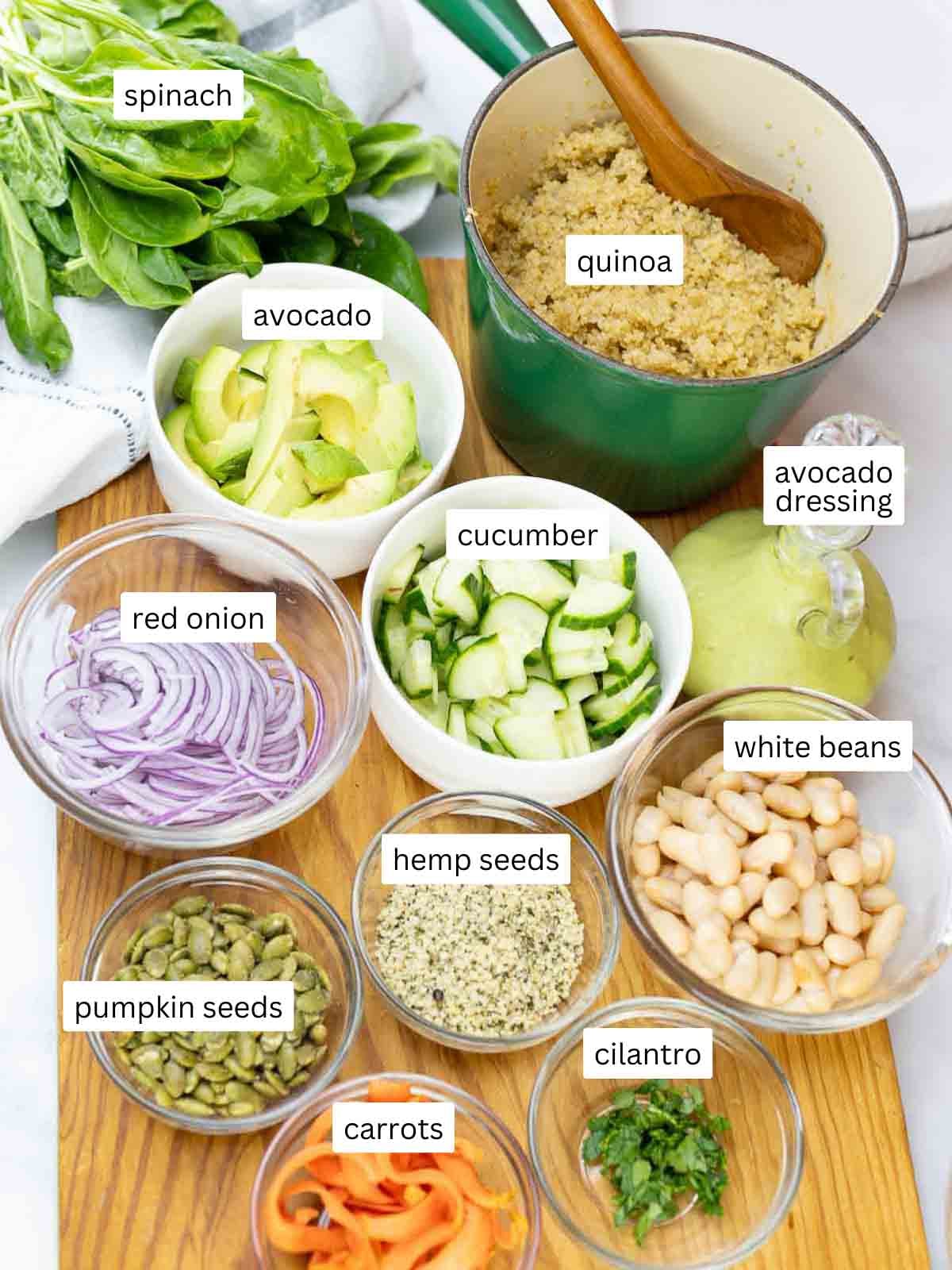
🥗Quinoa – A light, fluffy grain that’s also a complete protein. It helps make this bowl extra satisfying and adds a nice, slightly nutty flavor.
🥬 Spinach – Fresh and nutrient-dense, spinach adds a boost of vitamins, minerals, and fiber while keeping the bowl light and vibrant.
🥑 Avocado – Creamy and rich, avocado brings healthy fats that help keep you full and add a delicious, buttery texture.
🎃 Pumpkin Seeds – These add a satisfying crunch along with extra protein, iron, and healthy fats. 🌱 Hemp Seeds – Small but mighty, hemp seeds are packed with plant-based protein and blend right in without overpowering the flavor.
🫘 White Cannellini Beans – Soft, creamy, and mild in flavor, these beans are a great source of protein and fiber that make the bowl more filling.
🥄 Avocado Dressing – Smooth, zesty, and full of flavor, this oil-free dressing ties everything together and makes every bite delicious.
Why You’ll Love This High-Protein Vegan Bowl
There’s so much to love about this high-protein veggie bowl, but what stands out most to me is how satisfying and balanced it is. You’ve got healthy fats from the avocado and seeds, plenty of plant-based protein and fiber from the quinoa and beans, and a mix of fresh, crunchy veggies that make every bite interesting.
It’s also one of those meals that truly keeps you full. With ingredients like quinoa, cannellini beans, pumpkin seeds, and hemp seeds, you’re getting a solid boost of protein and fiber—so you’re not reaching for snacks an hour later.
Another reason I come back to this bowl again and again is how flexible it is. You can easily swap ingredients based on what you have on hand, adjust the flavors, or dress it up for guests—and it still turns out delicious every time. It works just as well for a quick weekday lunch as it does for a more put-together dinner.
And maybe best of all, it’s one of those meals that just feels good to eat—simple, nourishing, and full of wholesome ingredients your body will thank you for.
How to Make a Protein-Packed Veggie Bowl
The recipe card at the bottom of the page has the full list of ingredients with measurements and instructions.
Photo Credit: Sarai Leos Matsui
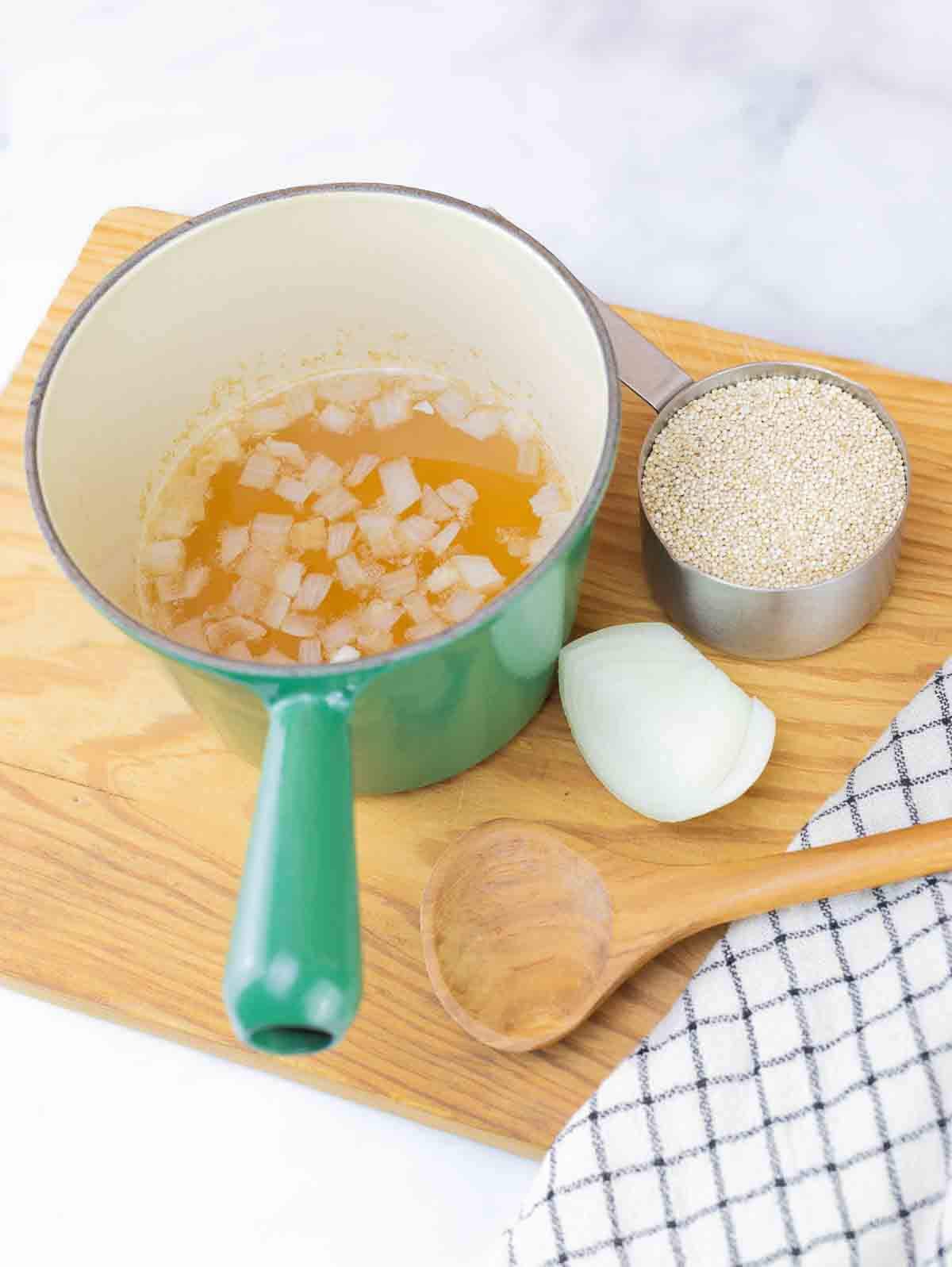
STEP #1: Cook the quinoa according to the package directions. I like to use vegetable broth instead of water for extra flavor, and sometimes I’ll sauté a little chopped onion first and let it simmer before adding the quinoa—but that step is completely optional. Cook until all the liquid is absorbed and the quinoa is light and fluffy, then set it aside to cool.
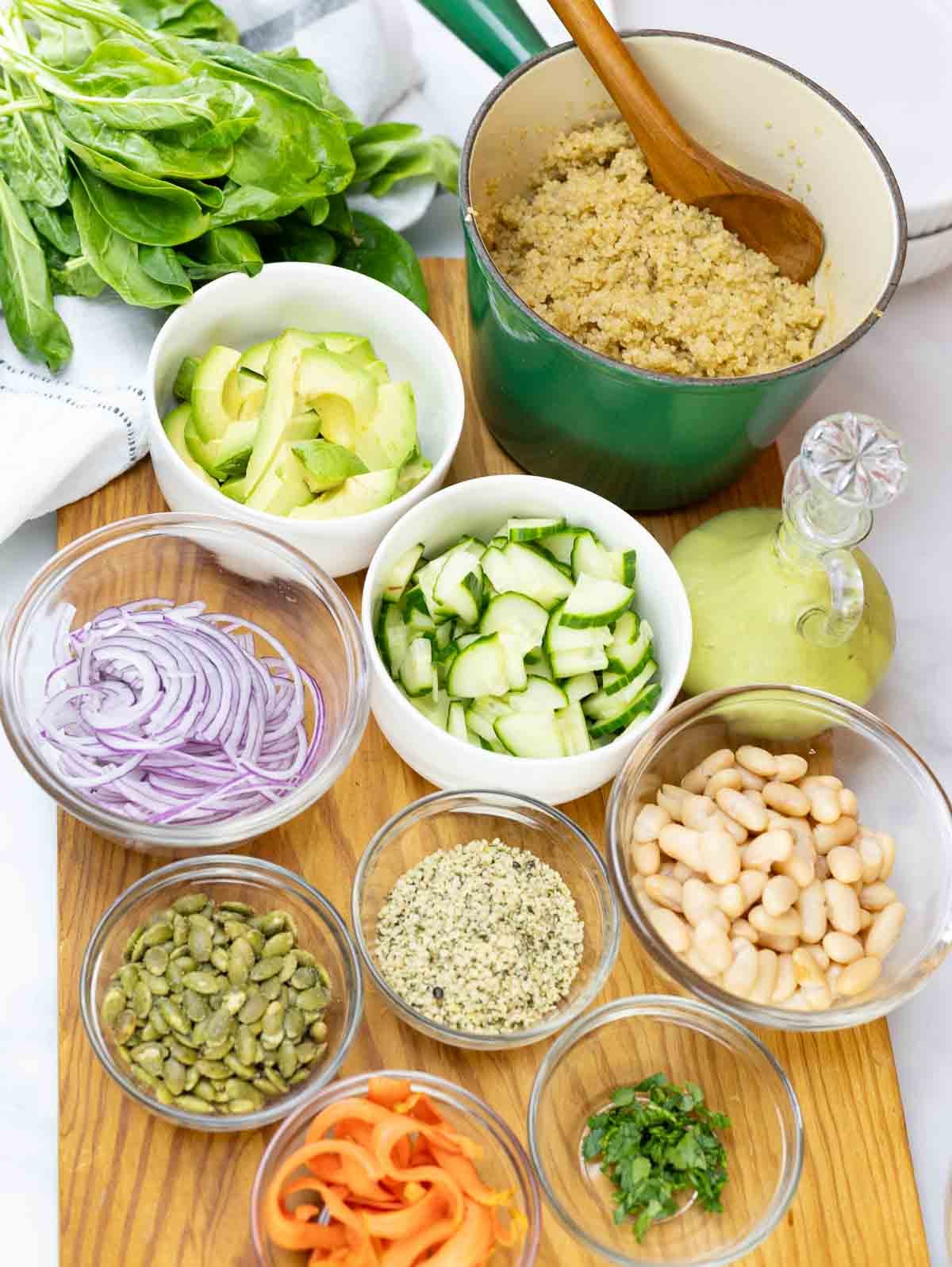
STEP #2: Gather and prep all of your ingredients. You’ll need to slice the vegetables. I use canned beans that are already cooked, but you can cook your own in your Instant Pot if preferred.
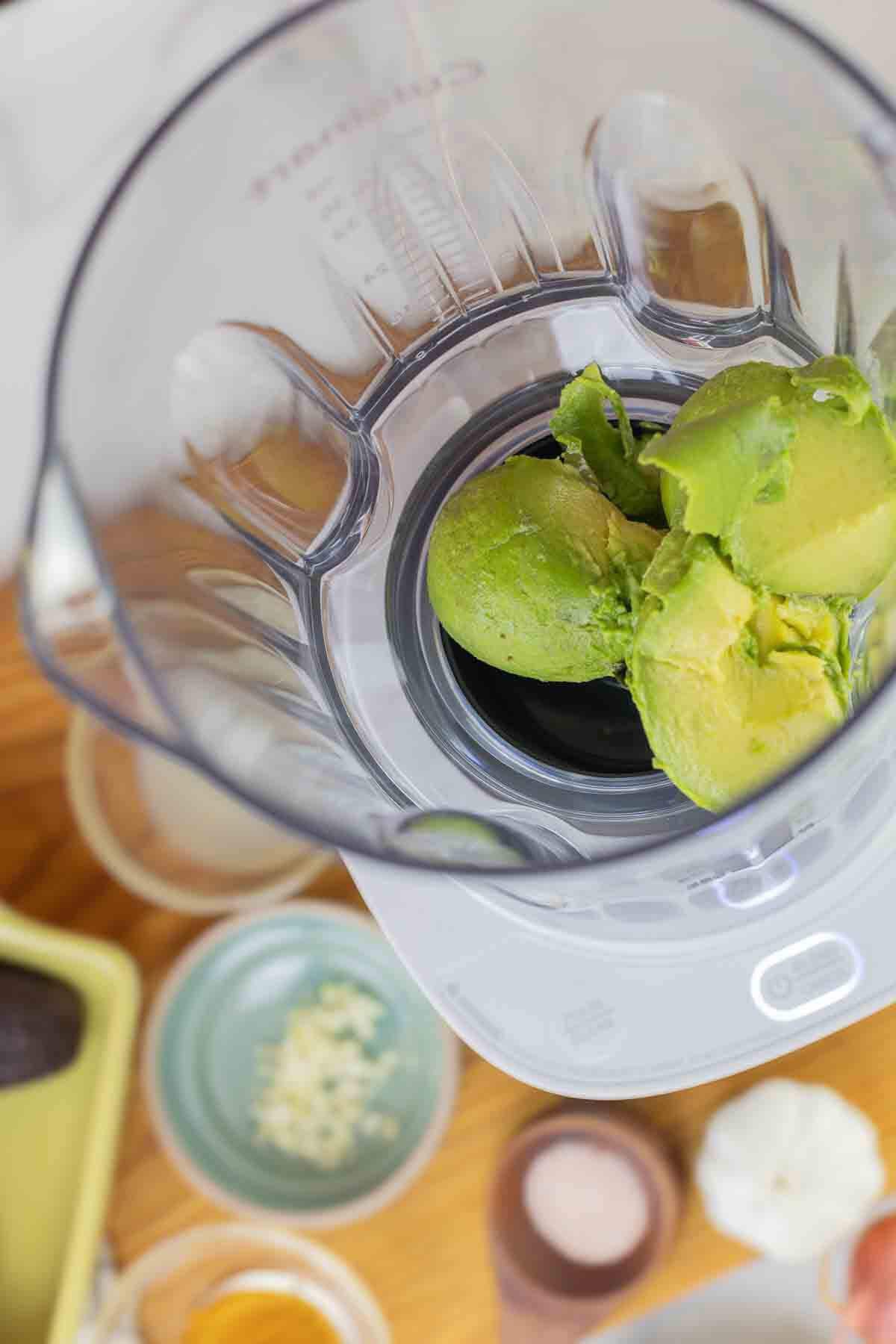
STEP #3: While the quinoa is cooking is a great time to make the avocado dressing. I’ve listed a lot of other oil-free dressing options in the article, including ones for creamy, tangy, and umami flavors. Be sure to take a look.
For this avocado dressing, simply blend all the ingredients (except cilantro) in your blender until creamy, and then add the minced cilantro.
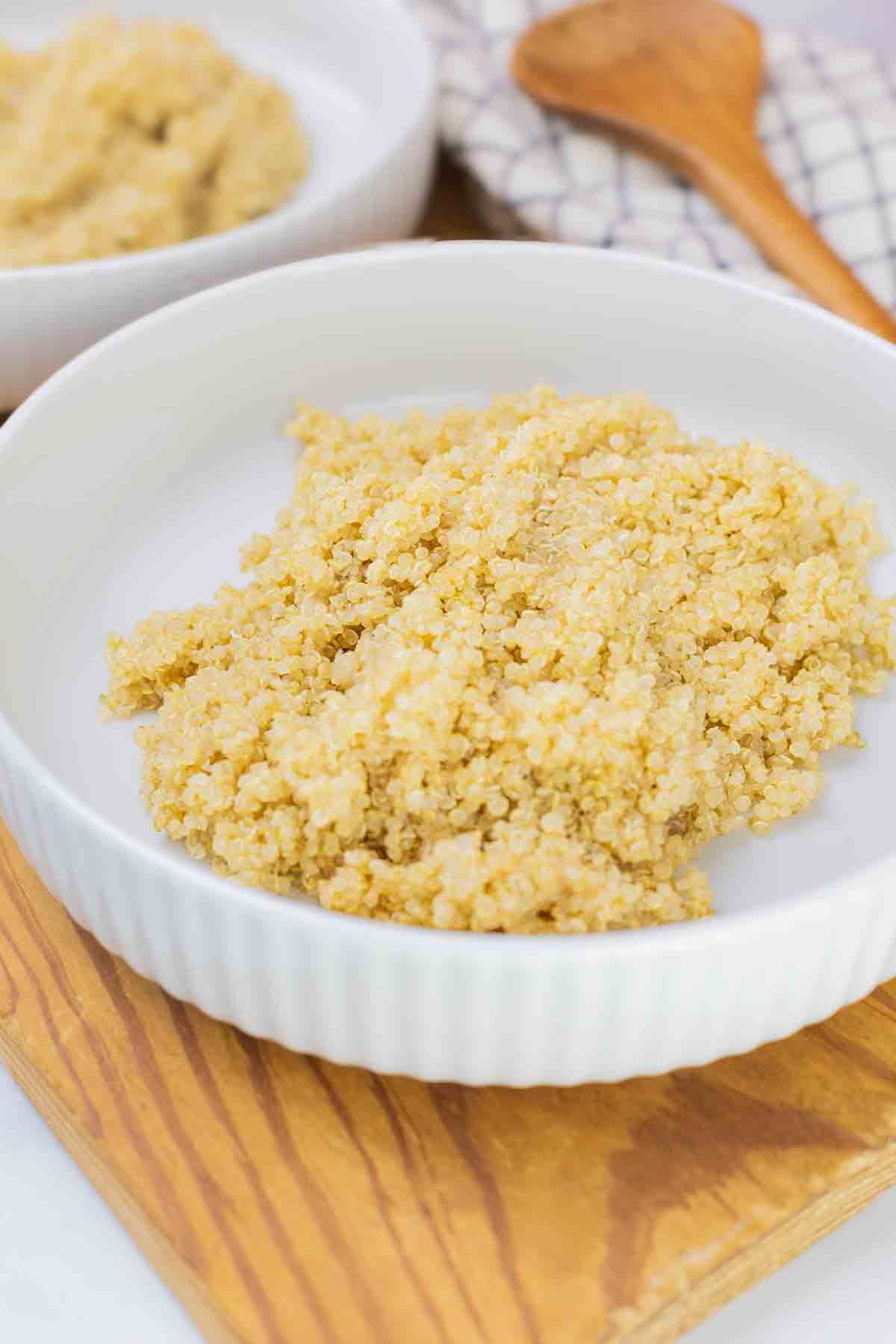
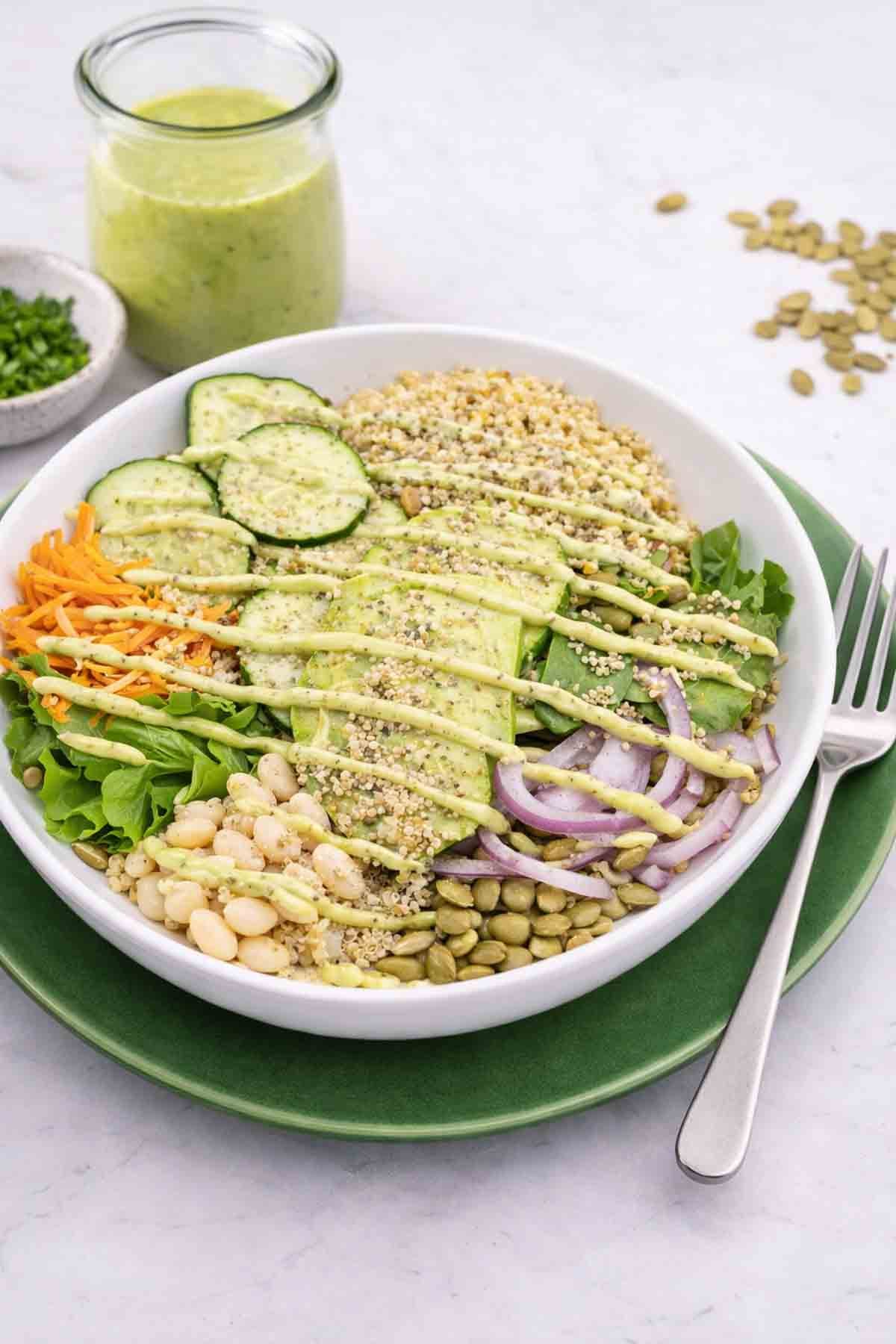
STEP #4: Build your bowl by starting with a layer of your cooked grain as the base. From there, add your toppings as desired.
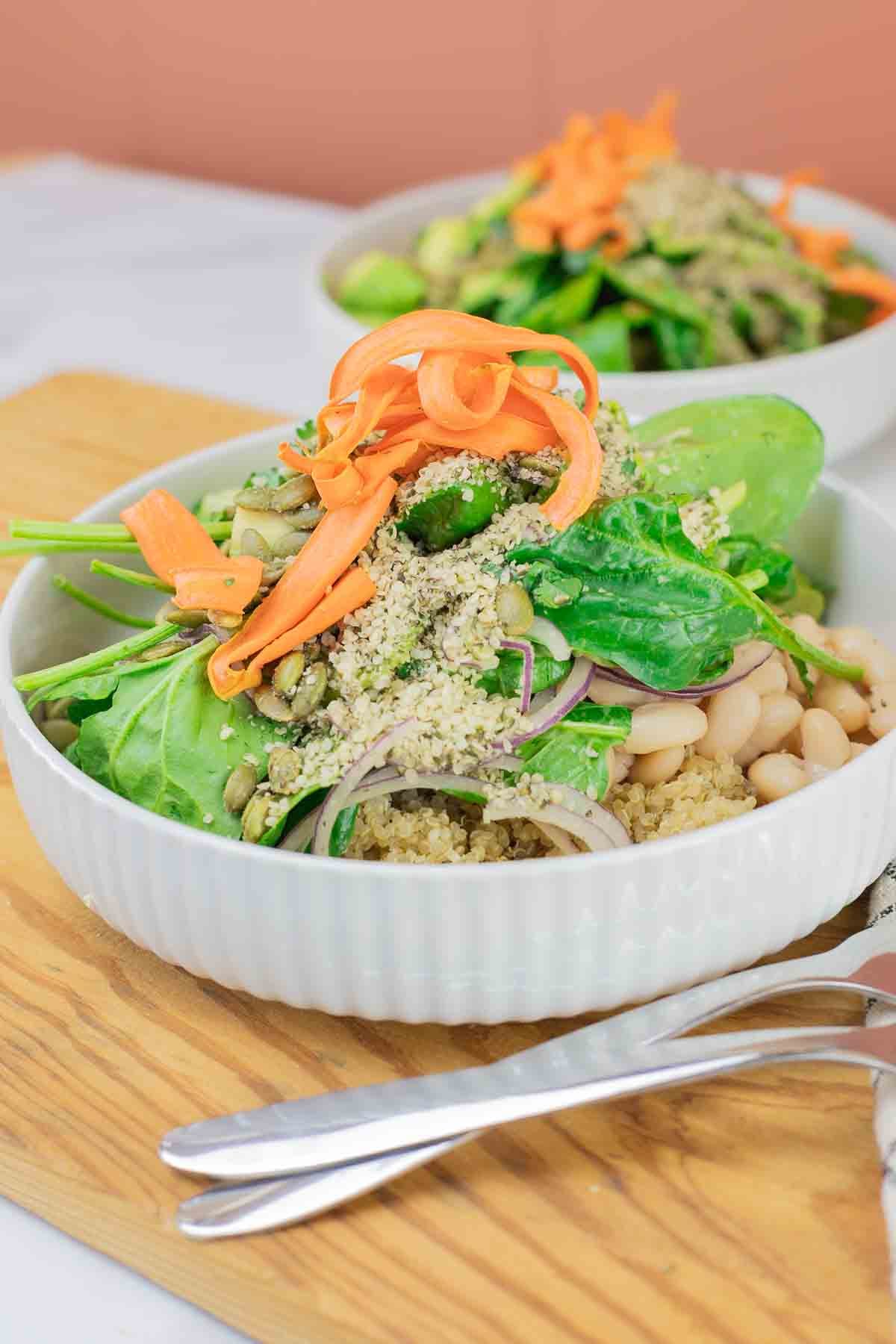
STEP #5: I like to toss the chopped spinach, onions, cucumbers, and carrots in a medium bowl with a little dressing first—this helps the veggies soak up extra flavor before adding them to the top.
For a prettier presentation, you can arrange each ingredient in sections as shown in the photo above. But when I’m making this just for myself, I usually keep it simple and layer everything together—it all ends up mixed in the end anyway!
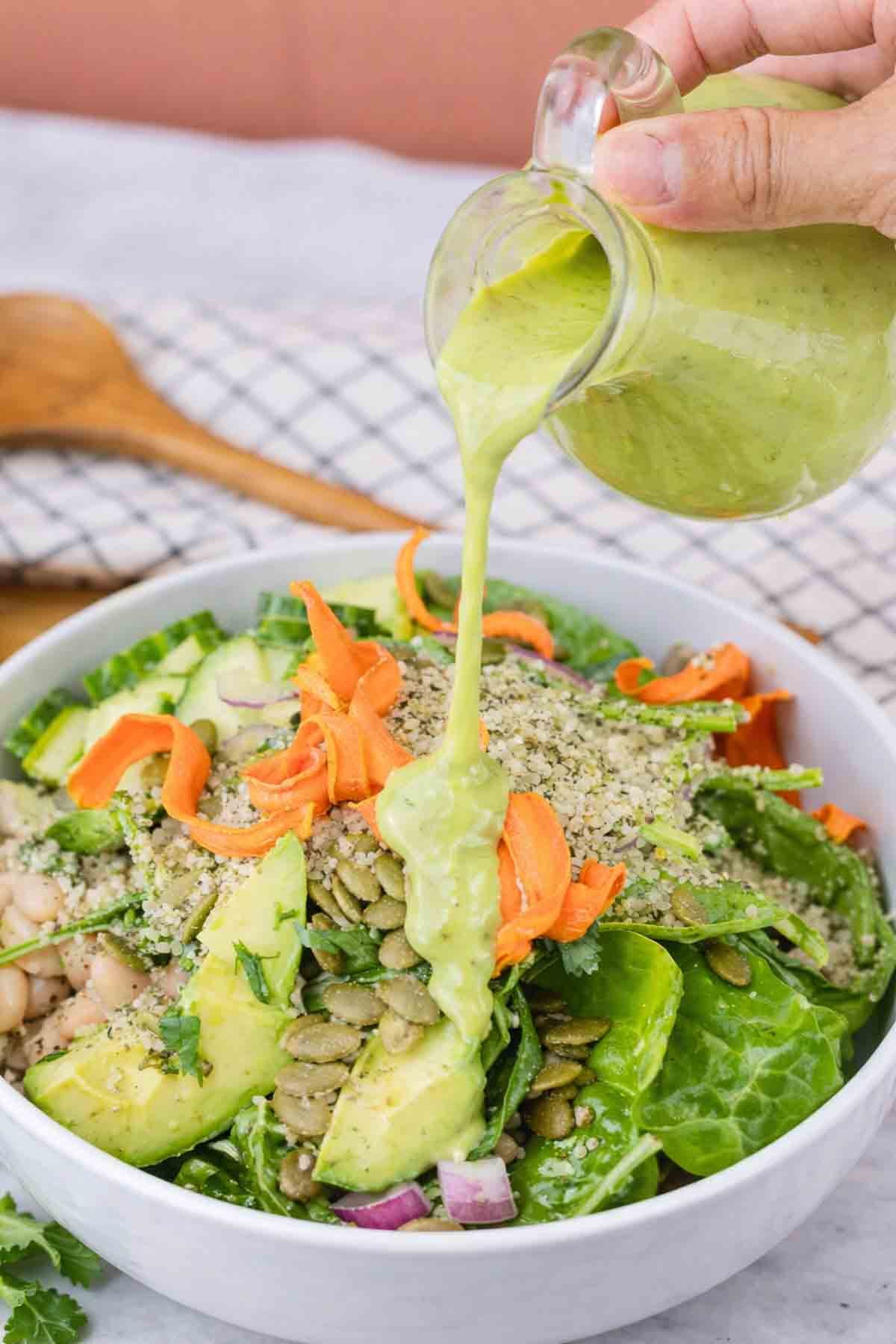
STEP #6: Finish by drizzling your dressing over the top, and serve right away. Enjoy!
An additional option is to serve this in a wrap, which is also delicious!
See some of my other substitutions, variations, and FAQs in the article. I go into a lot more detail there, even serving suggestions.
How to Add More Protein to a Plant-Based Bowl
If you’re looking to boost the protein in your veggie bowl, it’s actually really easy to do—and it doesn’t take much to make a big difference. Honestly, getting enough protein on a plant-based diet isn’t nearly as hard as people think. And if you’re ever curious about how much protein you personally need, I share a simple formula in this article that uses your weight to figure it out.
Some of my favorite ways to add more protein are with seasoned tofu, smoked tempeh, or marinated soy curls. They soak up flavor so well and add a hearty, satisfying texture that really makes the bowl feel like a complete meal.
I also love adding extra beans or lentils. Chickpeas, black beans, cannellini beans, black lentils, or even a scoop of seasoned black lentils are all great options that are simple and budget-friendly.
Seeds are another easy way to bump up the protein. Pumpkin seeds, hemp seeds, and sunflower seeds not only add protein, but they also give a nice little crunch.
If you want to take it a step further, you can add things like edamame or even a dollop of oil-free hummus. Sometimes I’ll sprinkle nutritional yeast on top too—it adds a cheesy flavor and a little extra protein boost. We use nutritional yeast in recipes a lot.
The best part is, you can mix and match depending on what you have on hand. It doesn’t have to be complicated—just a few simple additions can turn your veggie bowl into something that’s really filling and satisfying.
Variations and Substitutions
One of the best things about this veggie bowl is how easy it is to customize. You can switch things up based on what you have in your kitchen or the flavors you’re craving, and it still turns out delicious every time.
If you’re in the mood for something a little bolder and smokier, try adding chili powder, cumin, and smoked paprika. It gives the whole bowl a deeper, richer flavor. And for extra crunch, you can swap out the pumpkin seeds for tortilla chips—it’s such a fun twist!
Want to change up the veggies? Roasted sweet potatoes are a fantastic option in place of carrots. They add a natural sweetness and pair beautifully with the vinaigrette.
No fresh spinach on hand? No problem at all. Fresh kale works great—just be sure to massage it well with a little vinaigrette to soften it before adding it to your bowl.
You can also mix and match your protein sources depending on what you have. Cannellini beans are my go-to here, but chickpeas or black beans would work just as well.
Grain Options for Your Bowl (Gluten-free included)
The grain base is super flexible, so feel free to use whatever you have on hand. Each one brings its own texture and flavor, so it’s a great way to keep things interesting! And if you’re gluten-free, you’ve still got plenty of great options like quinoa, millet, and brown rice.
- Millet (gluten-free) – A small, gluten-free grain with a mild, slightly sweet flavor. It cooks up soft and fluffy, similar to couscous, and is perfect if you want something a little lighter.
- Brown rice (gluten-free) – A classic and easy option with a mild, slightly nutty flavor. It’s soft but still has a little chew, making it a great base for just about anything.
- Bulgur – A quick-cooking whole grain made from cracked wheat. It has a light, fluffy texture and a subtle nutty taste that pairs well with fresh veggies and herbs. We have a lot of bulgur recipes on this website. (Not gluten-free)
- Barley – Chewy and hearty with a slightly creamy texture when cooked. It has a mild, earthy flavor that works especially well in savory bowls. (Not gluten-free)
- Farro – One of my favorites! It has a pleasantly chewy texture and a rich, nutty flavor that adds a lot of depth to your bowl. (Not gluten-free)
- Quinoa (gluten-free) – Light and fluffy with a slightly nutty taste. It’s also a complete protein, which makes it a great choice when you want an extra protein boost.
Each one brings its own texture and flavor, so it’s a great way to keep things interesting!
And don’t forget about the sauce! While this bowl is amazing with the vinaigrette, I’ll be sharing a few more dressing options below so you can keep things fresh and exciting each time you make it.
This is one of those recipes where there’s really no wrong way to do it—just build your bowl with what you love and enjoy every bite.
Best Oil-Free Sauces for Veggie Bowls
For this bowl, I’m using our creamy avocado dressing recipe —it’s one of my go-to favorites when I want something quick, healthy, and full of flavor. It’s smooth, zesty, and made with simple, wholesome ingredients—no oil or dairy needed. It comes together in just minutes and truly makes everything taste better!
That said, there are plenty of other great options if you want to switch things up. I’ve listed a few of my favorite alternatives below—they’re all oil-free and a bit lower in fat and calories, so they’re perfect if you’re looking for a lighter option.
Whether you stick with the avocado dressing or try something different, you really can’t go wrong.
Tangy Dressing Options
Creamy Sauce Options
Umami Sauce Options
What to Serve with a Veggie Poke Bowl
Honestly, this veggie bowl is hearty enough to stand on its own, but sometimes I like to round it out with a simple side—especially if I’m serving it to guests or just want to make the meal feel a little more complete.
One of my favorite pairings is fresh fruit. Something sweet and juicy like berries, melon, or grapes balances out the savory flavors of the bowl perfectly. I also love serving it with corn on the cob, especially in the summer—it’s simple, naturally sweet, and just feels like a complete meal.
Here are a few other easy ideas I turn to:
- Fresh fruit salad – Light, refreshing, and adds a natural sweetness that complements the savory bowl.
- Corn on the cob – Sweet, simple, and perfect for summer meals or cookouts. This Mexican street corn on the cob is my favorite!
- Whole grain bread or rolls – Great for soaking up extra dressing and making the meal a little more filling.
- Baked sweet potatoes – Adds warmth and a touch of natural sweetness that pairs beautifully with the bowl.
- Grilled vegetables – If you’re already grilling vegetables, this is an easy way to add even more flavor and variety.
High-Protein Plant-Based Bowls for Weight Loss
These kinds of bowls can be a wonderful option if your goal is weight loss because they’re naturally high in fiber and plant-based protein—two things that really help keep you full and satisfied.
That said, one thing I’ve learned over the years is that even healthy foods can add up when it comes to calories—especially those higher in fat. Ingredients like avocado, nuts, seeds, and even some dressings are packed with good fats, but they’re also more calorie-dense.
Before we dive in, it’s worth mentioning that this particular recipe isn’t a low-fat bowl. With ingredients like avocado and seeds, it does contain a higher amount of healthy fats. That said, these are nutrient-dense fats paired with plenty of fiber and plant-based protein, which makes this bowl incredibly satisfying and nourishing.
If your goal is to reduce fat or calories, don’t worry—this recipe is very flexible, and I’ll share some simple ways below to lighten it up while still keeping it delicious. If you want to go really low-fat, these vegetable poke bowls and this sweet potato brown rice bowl are great low-calorie veggie bowls to try.
If weight loss is your goal, you don’t necessarily have to avoid this bowl completely, but you may want to be a little more mindful with portions—or even leave them out sometimes.
For example:
- Use ½ an avocado instead of a whole one (or skip it occasionally)
- Go lighter on nuts and seeds like pumpkin seeds, sunflower seeds, and hemp seeds
- Choose oil-free dressings (like this simple oil-free vinaigrette)
- Focus more on beans, lentils, and whole grains, which are filling but less calorie-dense
You can also bulk up your bowl with low-calorie, high-volume foods like leafy greens, cucumbers, tomatoes, and other non-starchy vegetables. This helps you feel full without adding a lot of extra calories.
The goal isn’t to restrict—it’s to find a balance that works for you. These bowls are incredibly flexible, so you can easily adjust them to support your goals while still enjoying every bite.
People Also Asked
Yes, absolutely! Veggie bowls are great for meal prep. I like to store the grains, proteins, and veggies separately when possible and add the dressing right before serving. This keeps everything fresh and prevents sogginess.
The key is switching up flavors and textures. Try different grains, rotate your proteins (beans, tofu, tempeh), and change the dressing. Even something as simple as adding a new spice or sauce can make it feel like a completely different meal.
Not at all! You can enjoy them warm, cold, or somewhere in between. I personally love a mix—warm grains and beans with cool, fresh veggies on top. It gives a really nice contrast.
Layering flavor is the secret. Season your grains while they cook, add spices to your proteins, and finish with a flavorful sauce or dressing. A squeeze of lemon or lime at the end can really brighten everything up too.
More Veggie Bowl Recipes
Want to Save This Recipe?
Enter your email & I’ll send it to your inbox. Plus, get great new recipes from me every week!
By submitting this form, you consent to receive emails from EatPlant-Based
Protein-Packed Veggie Bowl
Ingredients
- 1 cup quinoa, cooked (about 1/3 cup dry quinoa)
- 1 cup cucumber, chopped
- 1/4 cup carrots, grated
- 1/4 cup purple onion, diced
- 1 cup fresh spinach , chopped
- 1/4 cup pumpkin seeds
- 3 tablespoons hemp seeds
- 1 cup white cannellini beans, cooked
- 1 cup avocado dressing (below) or see lower fat options above
Avocado Dressing
- 1 avocado (approx 3/4 cup)
- 3 tablespoons lemon/lime juice
- 1 teaspoon maple syrup
- 1 small shallot
- 1 garlic clove
- 1/4 teaspoon sea salt (or to taste preference)
- 1/8 teaspoon black pepper
- 1/4 cup water
- 1 tablespoon cilantro, chopped
Instructions
- Cook the quinoa according to the package directions. I like to use vegetable broth instead of water for extra flavor, and sometimes I’ll sauté a little chopped onion first and let it simmer before adding the quinoa—but that step is completely optional. Cook until all the liquid is absorbed and the quinoa is light and fluffy, then set it aside to cool.
- Gather and prep all of your ingredients. You'll need to slice the vegetables. I use canned beans that are already cooked, but you can cook your own in your Instant Pot if preferred.
- While the quinoa is cooking is a great time to make the avocado dressing. I've listed a lot of other oil-free dressing options in the article, including ones for creamy, tangy, and umami flavors. Be sure to take a look.For this avocado dressing, simply blend all the ingredients (except cilantro) in your blender until creamy, and then add the minced cilantro.
- Build your bowl by starting with a layer of your cooked grain as the base. From there, add your toppings as desired.
- I like to toss the chopped spinach, onions, cucumbers, and carrots in a medium bowl with a little dressing first—this helps the veggies soak up extra flavor before adding them to the top.For a prettier presentation, you can arrange each ingredient in sections as shown in the photo above. But when I’m making this just for myself, I usually keep it simple and layer everything together—it all ends up mixed in the end anyway!
- Finish by drizzling your dressing over the top, and serve right away. Enjoy!An additional option is to serve this in a wrap, which is also delicious! See some of my other substitutions, variations, and FAQs in the article. I go into a lot more detail there, even serving suggestions.
Video
Notes
- Use ½ an avocado instead of a whole one (or skip it occasionally)
- Go lighter on nuts and seeds like pumpkin seeds, sunflower seeds, and hemp seeds
- Choose oil-free dressings (like this simple oil-free vinaigrette)
- Focus more on beans, lentils, and whole grains, which are filling but less calorie-dense
Nutrition
Disclaimer
To obtain the most accurate representation of the nutritional information in a given recipe, you should calculate the nutritional information with the actual ingredients used in your recipe, using your preferred nutrition calculator. You are solely responsible for ensuring that any nutritional information provided is accurate, complete, and useful.

About the Chef
Sarai Leos Matsui enjoys creating delicious Mexican, American, and Japanese dishes that bring together flavors from the cultures she loves. She is bilingual, a talented photographer, and loves thrifting and discovering new treasures along the way. Sarai lives in Western North Carolina with her husband and young daughter, where she enjoys cooking, creating, and sharing food with her family. Read More…
I’m a big fan of veggie bowls for breakfast, and this one did not disappoint—so delicious! My niece created this recipe, and she knocked it out of the park again!